It is the High Voltage Electrical Systems that form the foundation of the current industrial and commercial infrastructure. These systems provide stable supply of electricity and constant functioning of power plants and manufacturing facilities, as well as large commercial complexes. Nevertheless, since they are used under severe electrical loads, even small faults may cause severe safety risks, equipment breakdown or expensive downtimes.
It is at this point that preventive maintenance of High Voltage Electrical Systems is required. Preventive maintenance is aimed at eliminating failures and enhancing reliability and life of electrical infrastructure instead of waiting until they occur.
The knowledge on High Voltage Electrical Systems
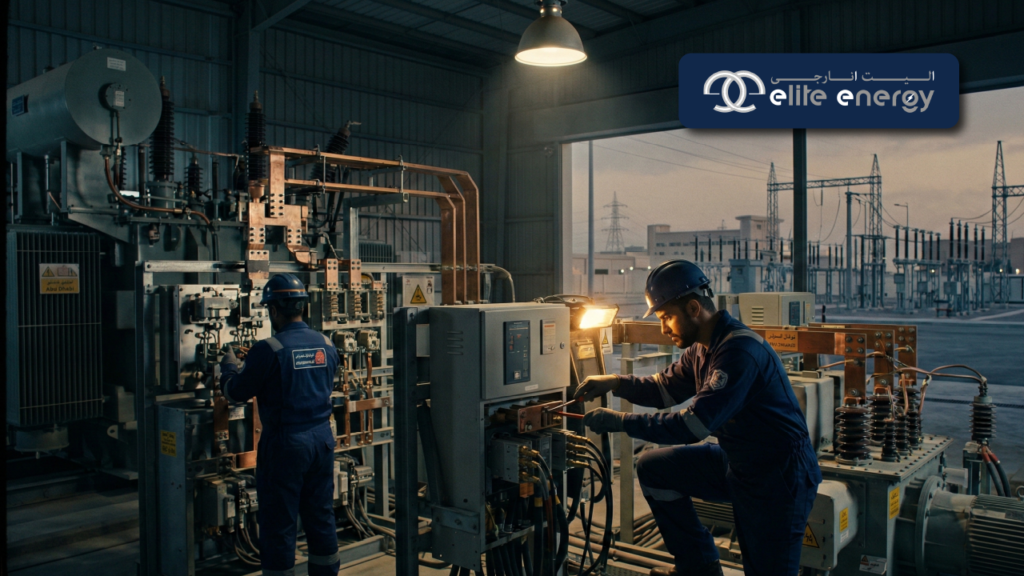
High Voltage Electrical Systems are electrical systems of infrastructure that are intended to be used at much higher voltage levels than typical electrical networks. These systems are employed in transmitting and distributing electricity effectively over a long distance and in heavy industries.
Common high voltage systems are:
- Power transformers
- Switchgear systems
- High voltage cables
- Circuit breakers
- Protection relays
- Substation equipment
Since these components transport high levels of electrical energy, operational interference and safety risks may occur due to any failure within a High Voltage Electric System. Reflective maintenance makes the system to work safely and reliably.
The importance of Preventive Maintenance of High Voltage Electric Systems
Preventive maintenance is not a technical need only, it is a strategic investment. Companies who service their High Voltage Electrical Systems on a regular basis have fewer interruptions and have a better flow of operations.
The major advantages of Preventative maintenance
Better Operational Reliability
Regular checks are used to detect defects before they turn into severe failures. This is to make sure that the High Voltage Electrical Systems do not stop unexpectedly.
Enhanced Safety Standards
High voltage infrastructure electrical faults may cause severe safety accidents like arc flash or electrical fire. Preventive maintenance mitigates these risks by making sure that equipment is functioning within acceptable limits.
Reduced Downtime
Power failures that are not planned may stop production and bring operations to a halt. Maintenance programs will be used to avoid the failure of equipment which will reduce downtime.
Cost Savings
The cost of repairing damaged high voltage equipment may be very high. Preventive maintenance also aids in early identification of problems before huge costs are incurred on repair and also prevents equipment depreciation.
Major parts that should be maintained on a regular basis
Electrical infrastructure of high voltage consists of multiple elements that are interconnected and need frequent maintenance and inspection.
Transformers
Transformers are essential in the conversion of voltages in the High Voltage Electrical Systems. Maintenance procedures normally involve:
- Oil analysis and testing
- Resistance to insulation testing.
- Thermal inspections
Routine maintenance of the transformers is a way of maintaining the constant flow of power and avoiding overheating.
Switchgear Systems
Switchgear is used to safeguard electrical devices by operating and isolating circuits. Switchgear Preventive maintenance includes:
- Verifying the work of circuit breakers.
- Checking insulation systems.
- Washing internal parts.
Maintained switchgear system is a guarantee of safe distribution of energy.
High Voltage Cables
High Voltage Electrical Systems Cables should be able to support heavy electrical loads and the conditions of the environment.
Maintenance normally involves:
- Partial discharge testing
- Monitoring the insulation condition.
- Cable sheath inspection
Such inspections are used to identify the early degradation of the cables.
Circuit Breakers
Circuit breakers provide safety of the electrical infrastructure by cutting off current in case of faults. They are also maintained regularly to make sure that they work when they are required.
Maintenance activities are:
- Contact resistance testing
- Mechanical operation testing.
- Inspections on thermal imaging.
High Voltage Electrical Systems should have reliable circuit breakers to protect them.
High Voltage Electrical Systems Preventive Maintenance Techniques
The contemporary preventive maintenance is based on a complex of the testing and inspection along with the sophisticated monitoring technologies.
Thermal Imaging
Thermal imaging assists in the detection of unusual heat spots in electrical equipment. A lot of heat is usually a sign of loose connections or overloaded parts.
Testing Insulation Resistance
Electrical failures can be caused by insulation breakdown. The insulation testing is used to check the resistance of the electrical insulation and to determine the possible risks.
Partial Discharge Testing
Partial discharge testing identifies premature insulation damage within high voltage equipment. The method is prevalent in avoiding unexpected failures.
Power Quality Analysis
Power quality monitoring is used to ensure that voltage levels, frequency and harmonics are within acceptable limits. Low quality power may cause harm to delicate equipment relating to High Voltage Electrical Systems.
Designing a Workable Preventive Maintenance Plan
An organized maintenance plan guarantees the stability of performance and safety.
Maintenance Program Development Steps
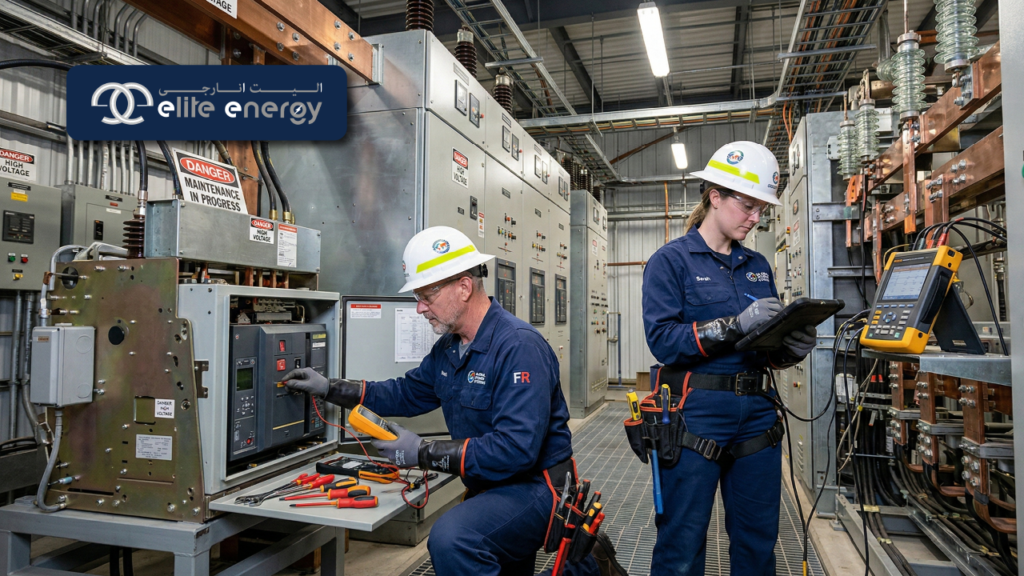
Routine Inspections: Electrical components should be monitored by carrying out regular inspections to check their health.
Apply Sophisticated Diagnostic Equipment: Such technologies as infrared scan and predictive analytics are used to identify latent problems.
Keep Proper Maintenance Records: The maintenance history and performance of equipment is monitored by keeping detailed records.
Train Technical Personnel: High Voltage Electrical Systems should be maintained by qualified engineers and technicians in order to have proper procedures.
The Red Flags Your High Voltage Electrical System Requires Urgent Repair
Neglecting early warning signs may cause serious electrical failure.
Common indicators include:
- Tripping of circuit breakers.
- Abnormal sound in transformers.
- Flammability of electrical panels.
- Voltage fluctuations
- Smoke around electrical appliances.
In case of these problems, inspection by a professional should be done at once.
The Professional Electrical Service Providers
The operation of High Voltage Electrical Systems involves special skills, tools and precautions. The reliability of the system is ensured by professional electrical engineering companies that offer full services on the maintenance of the system.
Advantages of engaging in business with old electrical service providers are:
- Availability of certified engineers.
- Improved diagnostic technology.
- Adherence to safety laws.
- Quick fault detection and correction.
Professional maintenance is a way to make sure that High Voltage Electrical Systems are safe and efficient.
Why opt to use Expert Electrical Maintenance Services
Trustworthy maintenance services assist organizations to safeguard their electrical infrastructure in addition to maintaining operations continuity.
Professional services usually involve:
- Testing of high voltage equipment.
- Inspections of electrical systems.
- Transformer diagnostics
- Substation maintenance
- Power system analysis
Collaborating with specialists will guarantee that the High Voltage Electrical Systems are taken care of and monitored.
FAQs
Preventive maintenance involves regularly inspecting, testing, and servicing electrical components to identify potential faults before they cause system failures. It ensures the reliability and safety of High Voltage Electrical Systems.
Maintenance ensures safe operation, reduces downtime, and extends the lifespan of equipment. Proper maintenance also prevents electrical hazards and costly repairs.
Most electrical experts recommend inspecting High Voltage Electrical Systems at least once or twice a year, depending on system load, operating conditions, and industry regulations.
Typical components include transformers, switchgear, circuit breakers, protection relays, substations, and high voltage cables.
Preventive maintenance improves the reliability of High Voltage Electrical Systems by identifying potential faults before they lead to equipment failure. Regular inspections, testing procedures, and monitoring technologies help detect issues such as insulation breakdown, overheating, or electrical imbalance. By addressing these problems early, organizations can avoid unexpected outages, extend equipment lifespan, and maintain stable power distribution.